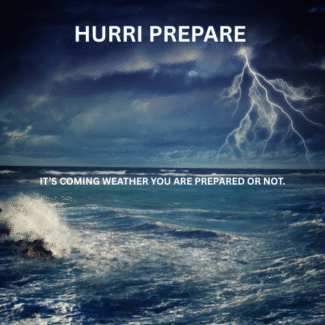
Essential Preparations Before a Hurricane
Preparing for a hurricane requires a comprehensive approach to ensure the safety and well-being of individuals and families. A critical first step is to develop an emergency plan that outlines roles and responsibilities during a storm. This plan should include contact information for family members, identification of a safe meeting place, and the establishment of communication methods, especially if family members are separated. Regularly reviewing this plan is essential, as it keeps everyone aware and ready to act quickly.
Next, assembling a disaster supply kit is imperative. This kit should contain enough provisions to last at least 72 hours and include items such as non-perishable food, bottled water (one gallon per person per day), flashlights, batteries, a first-aid kit, and important documents such as identification and insurance papers. Special consideration should also be given to including any necessary medications, toiletries, and baby supplies if applicable. A well-equipped disaster kit can significantly enhance survival in the face of adverse weather conditions.
Securing your home is another critical preparation step. This involves reinforcing windows and doors, clearing gutters, and securing outdoor items that could become projectiles in high winds. It is also important to understand local evacuation routes and the location of emergency shelters. Knowing where to go can reduce panic and confusion during a crisis. Staying informed about weather updates through trustworthy sources, such as local news broadcasts or weather apps, is significant for making timely decisions.
Lastly, pet safety should not be overlooked. Ensure your pets are included in your emergency plans by having necessary supplies such as food, leashes, and vaccination records. Prepare a pet disaster kit and know which evacuation shelters accept animals. Prioritizing these preparations is essential for ensuring the safety of all family members, including pets, during a hurricane.
Surviving After the Storm: Living Without Electricity
After a hurricane, the aftermath can present many challenges, particularly when it comes to coping without electricity. One of the primary concerns during extended power outages is food preservation. To maintain food safety, using coolers filled with ice or dry ice can be crucial. It is important to keep the refrigerator and freezer doors closed as much as possible to retain cold air. Foods that can be consumed immediately should be prioritized, while perishables must either be cooked or consumed within a few hours to avoid spoilage.
If available, utilizing a generator can provide a temporary solution for keeping essential appliances running. However, safety is paramount; ensure proper ventilation and never run a generator indoors. Additionally, preparing meals using alternative cooking methods, such as grilling outdoors or using a camp stove, can offer a means to maintain nutrition and warmth. Effective waste management during this time is also vital. Make use of sealable bags for trash, and maintain hygiene by using hand sanitizers and moist towelettes in the absence of running water.
Staying connected with loved ones can serve as an emotional lifeline post-storm. If mobile networks are operational, make regular check-ins via text messages, as they require less bandwidth than calls. Should digital communication be unavailable, establish a meeting point to regroup. Maintaining of morale is essential; reading, playing games, or sharing stories can provide comfort during stressful times. It is also necessary to address emotional health, recognizing the stress and anxiety that may arise in the wake of disaster.
Lastly, do not neglect pets during these trying times. Ensure their safety by providing them with a secure area, ample food, and fresh water. If the power outage extends, be mindful of their comfort and health, and consider any special needs they may have. Addressing both your and your pets’ well-being is crucial as you navigate the recovery process.